

A squeaking dryer is more than just a noisy nuisance; it is often the first warning sign that an internal component is under excessive stress. In the high-demand households of Dubai, where dryers often run daily to keep up with laundry needs, mechanical wear and tear is accelerated by heat and continuous use.
At 24X7 Service UAE, we’ve diagnosed thousands of appliances across the Emirates. We know that ignoring a small squeak today can lead to a snapped belt or a burnt-out motor tomorrow. This comprehensive guide will walk you through the 13 most likely causes of dryer noise and how to address them before they turn into a costly replacement.
The Anatomy of the Noise
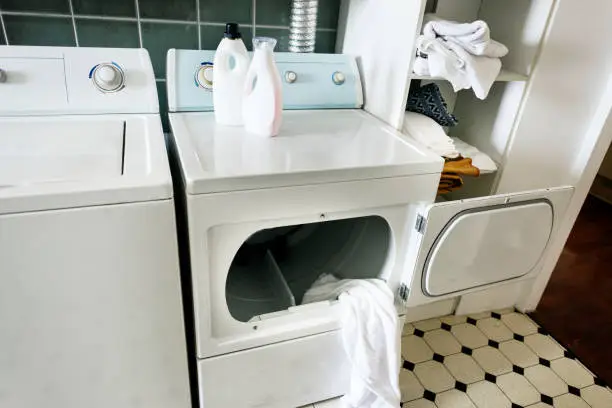
Before diving into the causes, it is important to identify when the squeaking happens. Does it occur only when the drum starts? Is it a rhythmic chirping? Or is it a constant metal-on-metal grinding? Understanding the “language” of your dryer helps narrow down the culprit.
13 Likely Causes of a Squeaking Dryer
1. Worn Drum Support Rollers
Most modern dryers have two or more rollers at the back (and sometimes the front) that support the weight of the drum as it spins.
-
The Cause: Over time, the internal lubrication of these rollers dries out, or the rubber coating wears thin.
-
The Symptom: A rhythmic squeaking or thumping sound that gets louder as the dryer gets heavier with wet clothes.
2. Failed Idler Pulley
The idler pulley is a small wheel that provides tension to the dryer belt. Because it spins at a much higher speed than the drum, it is often the first part to fail.
-
The Cause: High-speed friction causes the pulley’s bearing to wear out.
-
The Symptom: A high-pitched, piercing screech that often disappears once the dryer reaches full speed.
3. Damaged Drum Belt
The belt wraps around the entire drum and the motor pulley to facilitate rotation.
-
The Cause: The UAE heat can cause the rubber belt to become brittle and cracked.
-
The Symptom: A “chirping” sound or a slipping noise. If the belt is frayed, you might hear a consistent slapping sound against the cabinet.
4. Worn Drum Glides (Slides)
Glides are small plastic or Teflon strips that the front of the drum sits on.
-
The Cause: As these wear down, the metal drum begins to rub directly against the metal bulkhead.
-
The Symptom: A scraping or grinding noise. If you see brown plastic shavings inside the dryer cabinet, your glides have disintegrated.
5. Faulty Rear Drum Bearing
Some dryers (like older GE or Frigidaire models) use a ball-and-socket bearing at the back of the drum instead of rollers.
-
The Cause: Lack of lubrication or a heavy load causes the metal ball to grind inside the socket.
-
The Symptom: A heavy, metallic squeaking or a loud groaning sound coming from the rear center of the unit.
6. Loose Blower Wheel
The blower wheel is responsible for circulating hot air and pushing lint out of the exhaust.
-
The Cause: A small object (like a coin or a button) can get caught in the wheel, or the nut holding the wheel to the motor shaft can loosen.
-
The Symptom: A vibrating or rattling squeak. If the wheel is stripped, it might sound like a roaring airplane.
7. Worn Motor Bearings
The drive motor is the heart of the appliance.
-
The Cause: Internal bearings within the motor itself can fail due to age or overheating.
-
The Symptom: A low-pitched hum accompanied by a sharp squeak. Usually, if the motor is the cause, the dryer will also feel excessively hot to the touch.
8. Felt Seal Friction
The felt seal acts as a gasket between the drum and the front/back panels to keep heat inside.
-
The Cause: If the seal becomes unglued or worn, the drum rubs against the frame.
-
The Symptom: A “wooshing” squeak or a burning smell caused by the friction of the drum against the felt.
9. Objects Trapped in the Drum Gap
Coins, paperclips, and bra wires are the enemies of a quiet dryer.
-
The Cause: Small items get wedged in the gap between the rotating drum and the stationary front panel.
-
The Symptom: A sharp, intermittent metallic scraping or “tinkling” sound.
10. Dryer is Out of Level
In many Dubai apartments, laundry rooms have slightly uneven tiling.
-
The Cause: If the dryer isn’t level, the drum sits unevenly on its rollers, putting diagonal pressure on the bearings.
-
The Symptom: A vibration-heavy squeak that changes if you lean against the side of the machine.
11. Overloading the Drum
This is the most common “user-error” cause in the UAE.
-
The Cause: Attempting to dry three sets of heavy bed linens at once puts immense pressure on the support rollers and belt.
-
The Symptom: A strained, slow-spinning squeak that only happens with large loads.
12. Accumulated Lint Buildup
Lint isn’t just a fire hazard; it’s a mechanical obstruction.
-
The Cause: Lint can get into the pulley system or the rollers, acting like sandpaper on the moving parts.
-
The Symptom: A muffled, grinding squeak that persists even during the cool-down cycle.
13. Worn Felt Lubrication
Some high-end dryers require the felt seals to be lubricated with a special high-temp grease.
-
The Cause: The grease dries out, causing the felt to grab the drum rather than letting it slide.
-
The Symptom: A consistent “squeal” that starts about 10 minutes into the cycle once the heat has expanded the metal drum.
How to Fix a Squeaking Dryer: A Step-by-Step Guide
If you are a DIY enthusiast, you can attempt to diagnose the issue yourself. Safety First: Always unplug the dryer and turn off the gas supply (if applicable) before opening the cabinet.
Step 1: Manual Rotation
With the dryer off, spin the drum by hand. If it squeaks while you are turning it slowly, the issue is likely the drum rollers or the rear bearing.
Step 2: Check the Blower Wheel
Remove the lint filter and check for obstructions. If you can access the blower housing, ensure the wheel is tight on the motor shaft and not wobbling.
Step 3: Inspect the Belt and Pulley
You will need to remove the top or front panel (depending on the brand). Check the belt for cracks. While the belt is off, spin the idler pulley. It should spin freely and silently. If it wobbles or squeaks, replace it.
Step 4: Lubricate (Carefully!)
Never use WD-40 or standard oil inside a dryer. These are flammable and can cause a fire. Only use specialized high-temperature appliance grease if the manufacturer recommends it for the rear bearing. Rollers and pulleys are generally “sealed” and should be replaced rather than lubricated.
Why Professional Repair is Often Better
While replacing a belt is a manageable DIY task, diagnosing a motor bearing or a rear bulkhead seal requires specialized tools and heavy lifting.
At 24X7 Service UAE, our technicians don’t just “fix the noise.” We perform a complete internal cleaning. When we open a squeaking dryer, we remove the accumulated lint that poses a fire risk and check the heating element for cracks. This prevents a “double repair” where you fix a squeak today only to have the heating fail next week.
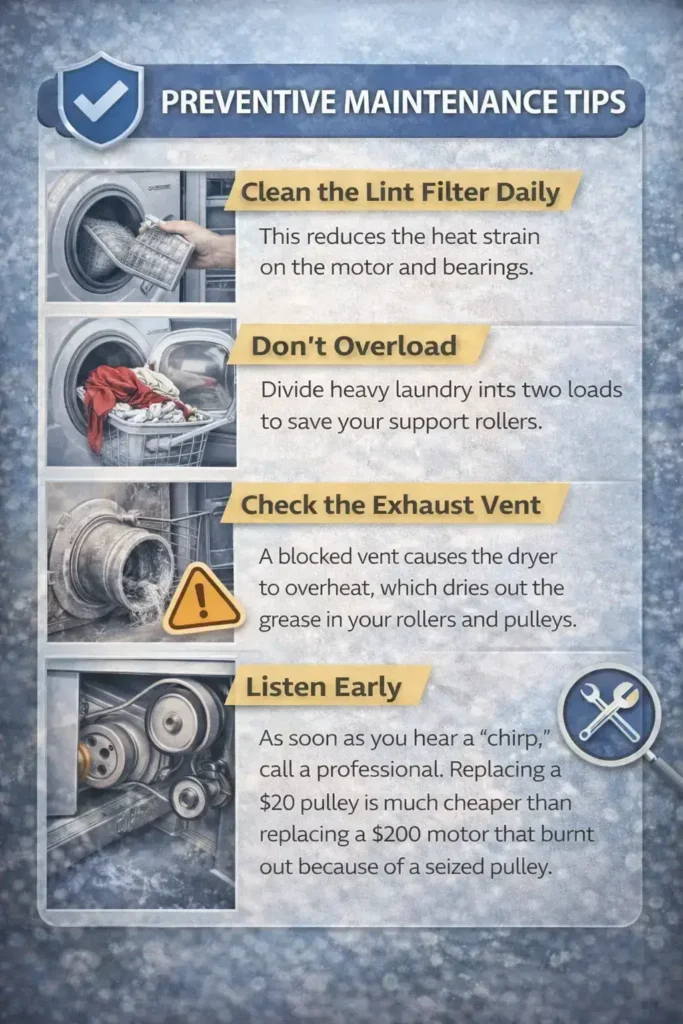
Preventive Maintenance Tips
-
Clean the Lint Filter Daily: This reduces the heat strain on the motor and bearings.
-
Don’t Overload: Divide heavy laundry into two loads to save your support rollers.
-
Check the Exhaust Vent: A blocked vent causes the dryer to overheat, which dries out the grease in your rollers and pulleys.
-
Listen Early: As soon as you hear a “chirp,” call a professional. Replacing a $20 pulley is much cheaper than replacing a $200 motor that burnt out because of a seized pulley.
Conclusion: Don’t Let the Squeak Become a Break
A squeaking dryer is a cry for help from your appliance. Whether it’s a simple worn glide or a failing drive motor, addressing the issue promptly ensures your laundry routine stays on track and your home remains safe.
Is your dryer making unusual noises? Don’t wait for it to stop spinning entirely. At 24X7 Service UAE, we provide fast, reliable, and honest dryer repair services across Dubai, Sharjah, and Abu Dhabi.
Contact 24X7 Service UAE today at +971504180513 for an expert diagnostic. We are available around the clock to ensure your appliances are running quietly and efficiently.
Thinking of upgrading to a quieter model? Check out our expert ventless dryer pros and cons guide to see if it’s the right fit for your home.